

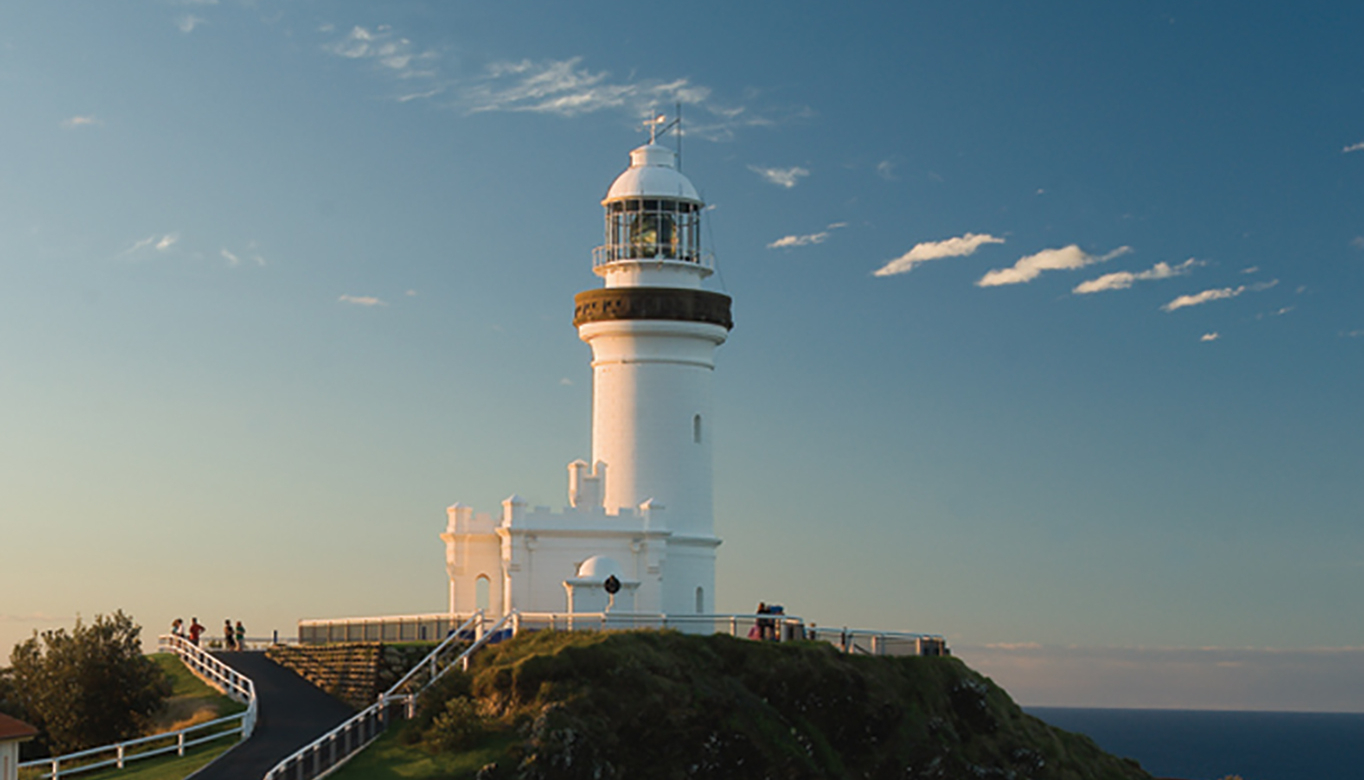
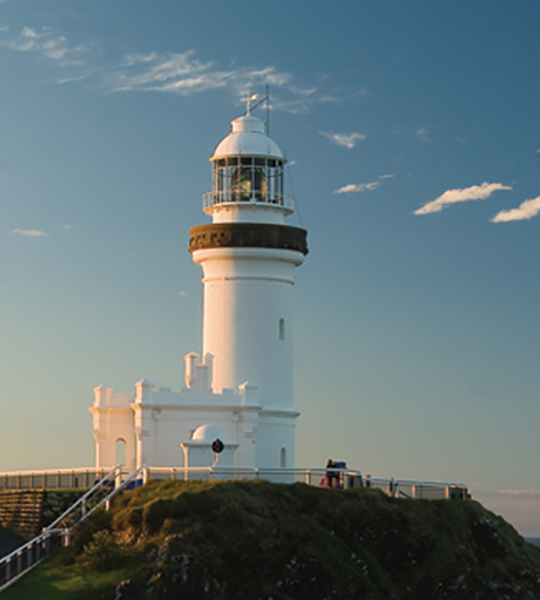
Byron Bay has earned its reputation as one of Australia’s most beloved coastal destinations, and the beaches are the main reason why. Stretching across more than 30 kilometres of coastline, Byron’s shores range from wide, sun-drenched stretches perfect for families to secluded coves tucked beneath ancient headlands. Whether you’re a surfer chasing the perfect break, a snorkeller hunting vibrant reef life, or simply after somewhere beautiful to watch the sun dip into the hinterland, Byron delivers. Here’s our insider guide to the best beaches in Byron Bay that you have to see while you’re on your East Coast trip. Travelling the East Coast soon? Make sure you check out all of the different destinations that Joey stops at.
QUICK PICKS AT A GLANCE
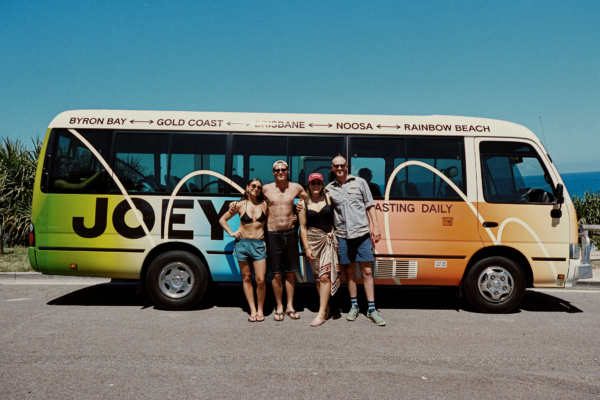
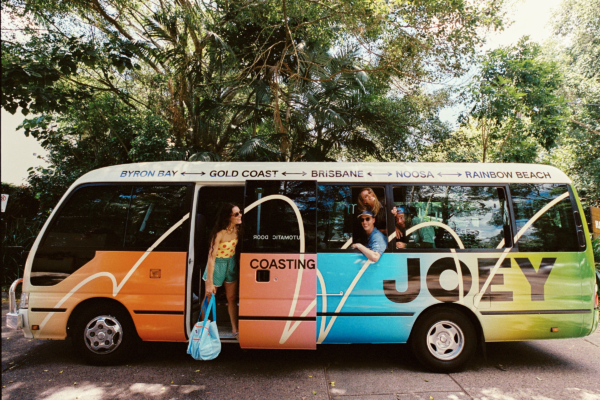
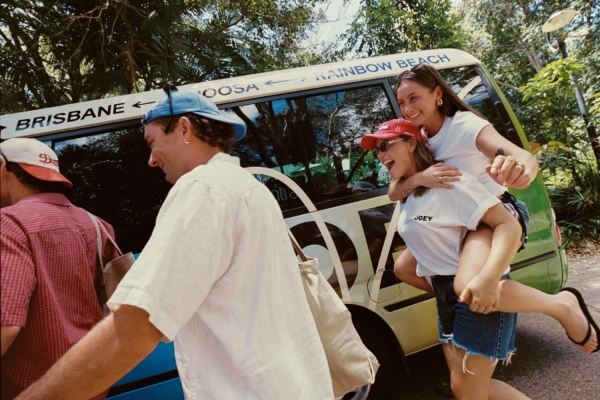
If you’re visiting Byron Bay for the first time, Main Beach is your obvious starting point. Sitting at the foot of Jonson Street, the town’s beating heart, this wide arc of golden sand puts you within a two-minute walk of the cafes, boutiques, and bars that Byron is famous for. It’s the only beach in the shire patrolled by lifeguards year-round, making it a safe and popular choice for backpackers and families alike.
The north-facing aspect keeps the waves generally mellower than the east-facing beaches, and at sunset the sky turns spectacular shades of pink and orange behind Cape Byron Lighthouse. Walk north along the shoreline toward Belongil for the quintessential Byron photo op.
Joey’s tip: Arrive early on weekends, as the beach fills fast in summer. The beachside BBQs are free to use, so grab supplies from the Woolworths a block away and make a day of it. Get your Joey Pass now and don’t miss out on Byron’s Beaches.|
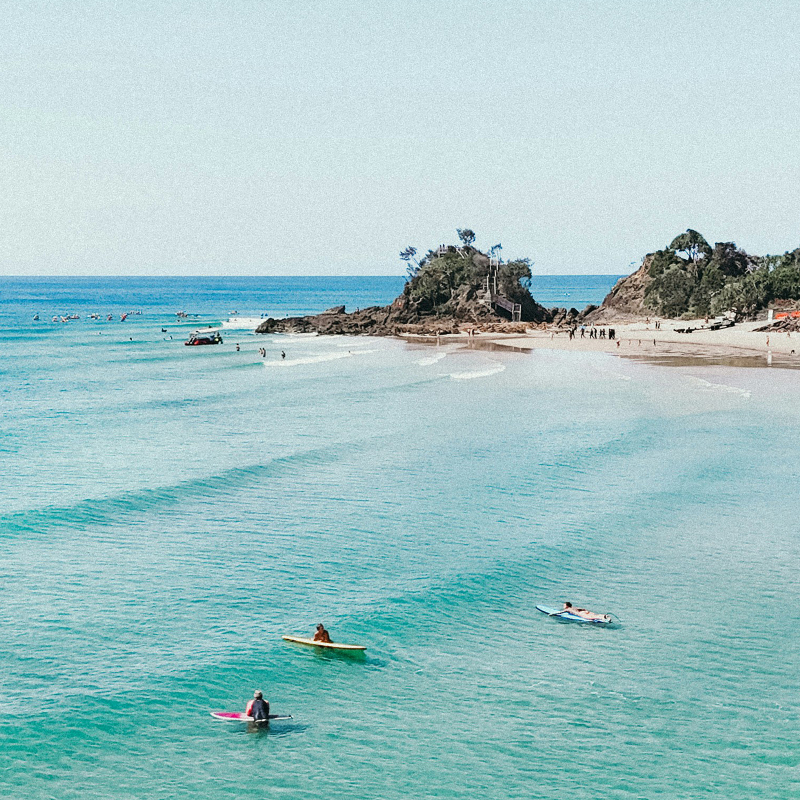
Flowing seamlessly east from Main Beach, Clarkes is Byron’s quintessential town beach and arguably its most complete. Long stretches of soft white sand, crystal-clear water with gentle family-friendly waves, and regular dolphin sightings make it a perennial favourite. There’s even a tidal lagoon on the southern end, perfect for toddlers to splash around safely.
Walk far enough along the shore and Clarkes Beach gradually transforms into The Pass, one of the world’s famous surf breaks. This easy stroll past fishing families, surfers waxing boards, and golden retrievers chasing frisbees is about as perfectly Byron as it gets.
Joey’s tip: Keep your eyes on the water at dawn, as dolphins are regularly spotted riding the early morning swell just off the shore.
The Pass is arguably Byron Bay’s most famous beach, and with good reason. Sitting in the shelter of Cape Byron headland, it serves up long, peeling right-hand waves that are a dream for longboarders and intermediate surfers. On a good day, rides of 100 metres or more are possible, and watching the locals make it look effortless is a spectacle in itself even if you’re not paddling out yourself.
Beyond the surf, The Pass offers crystal-clear water ideal for snorkelling around the rocky headland, a grassy picnic area with BBQ facilities, and the start of a stunning coastal walk up to Cape Byron Lighthouse. The lighthouse, perched at Australia’s most easterly point, offers panoramic views of the Pacific and is one of the country’s best whale-watching vantage points between June and October. Joey stops at Byron all year round so there’s never a bad time to get your Joey pass.
Joey’s tip: The short coastal walk from The Pass to Wategos Beach is spectacular and worth doing. Give yourself an hour return and take it slowly, as the views reward patience.
Nestled directly below Cape Byron Lighthouse, Wategos is Byron’s most glamorous and sheltered beach. Its north-facing, curved bay creates a natural windbreak, resulting in calm turquoise water that’s perfect for paddleboarding, floating, and watching dolphins glide by. It’s earned a reputation as a favourite of Byron’s well-heeled visitors, with the award-winning Rae’s restaurant sitting right on the beachfront.
The surf here is gentler than The Pass but still reliably fun, particularly on small to medium swells. Being slightly harder to reach, with no direct road access and a short walk required, keeps the crowds thinner than the town beaches, even in peak summer. That extra 10 minutes of effort is absolutely worth it.
Joey’s tip: Walk to Wategos along the coastal track from The Pass, and you’ll arrive having already seen some of Byron’s most spectacular scenery.
Stretching 2.5 kilometres north of Byron’s town centre, Belongil is a long, uninterrupted arc of white sand that’s a favourite with locals wanting to escape the tourist buzz. The beach is home to ‘The Wreck’, a popular swimming and snorkelling spot, and the shoreline is backed by a tangle of coastal heath that gives it a wilder, more natural feel than the main beaches.
Belongil is unpatrolled outside of peak season, so check conditions before swimming. When the swell is manageable, the walking distance from town (about 20 minutes along the sand) acts as a natural filter, and you’ll find space to spread out even in summer. The Treehouse restaurant is a beloved local institution here, worth a visit for a sunset drink among the palms.
Joey’s tip: Walking to Belongil from Main Beach along the shoreline at sunrise is one of Byron’s most underrated experiences, and you’ll often have the sand almost entirely to yourself. Get your Joey pass now and don’t miss out on these amazing beaches.
On the southern side of Cape Byron, Tallows stretches all the way from the cliffs down to Suffolk Park, offering miles of relatively uncrowded beach break and a sense of genuine remoteness that’s rare in Byron. The waves here can be powerful and hollow on a good swell, rewarding for experienced surfers but worth exercising caution if you’re a beginner.
Tallows is backed by Arakwal National Park, with walking tracks winding through tea tree, coastal heath, and eucalyptus. It’s a great pick for those wanting to escape the bustle, enjoy a long beach walk, or simply sit with a book and have the Southern Pacific all to themselves.
Joey’s tip: This beach is unpatrolled. Swim between the flags if they’re present, or exercise caution and choose one of the calmer town beaches if conditions look rough.
Technically just outside Byron Bay proper, Whites Beach at Broken Head is well worth the 10-minute drive south. A former local secret (one that’s out of the bag but still refreshingly uncrowded). This small cove is reached via a short bush walk through lush subtropical rainforest that makes the arrival feel like a genuine discovery.
The beach itself is protected, with calm conditions ideal for swimming and a beautiful rocky headland perfect for exploring at low tide. The surrounding Broken Head Nature Reserve is one of the last coastal rainforest remnants in the region, making it as much a nature experience as a beach visit.
Joey’s tip: Pack a picnic, as there are no facilities here. And bring a rubbish bag to take everything out with you; the pristine condition of this beach is a community effort.
GOOD TO KNOW BEFORE YOU GO
When is the best time to visit Byron Bay? October to April for warm water and sunshine. June to October for whale watching from Cape Byron.
What is the best way to get to Byron Bay? Of course it’s got to be Joey. Check out our different route options and get your Joey pass today.
Where are the patrolled beaches in Byron Bay? Main Beach is patrolled year-round. Others are patrolled seasonally, so always swim between the red and yellow flags.
What Wildlife can you encounters in Byron Bay? Dolphins are present year-round. Humpback whales migrate June to October. Watch for marine stingers in warmer months. Koalas can regularly be spotted on the Byron Bay lighthouse walk.
Getting around: Many beaches are walkable from the town centre. A car or bike is handy for Wategos, Tallows, and Whites Beach.
Where can I do Surf lessons in Byron Bay? Several reputable surf schools operate from Main Beach and Clarkes Beach, catering to all levels from first-timers up.
Looking for more tips for Byron Bay? Check out Joeys Guide to Byron Bay
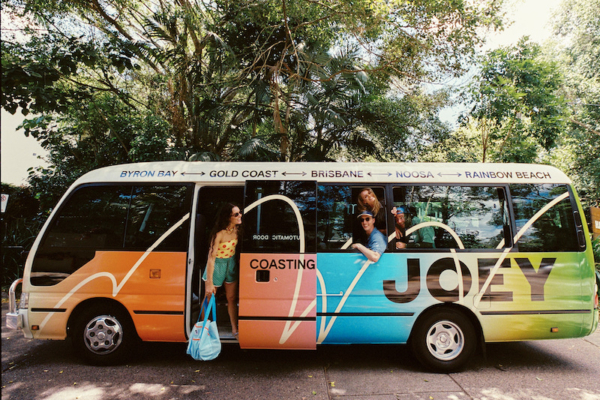
If you’re planning your first trip up Australia’s East Coast, chances are you’ve come across the term “hop-on hop-off bus pass” and wondered what you’re actually paying for. Is it just a bus ticket? Do you need to book everything...
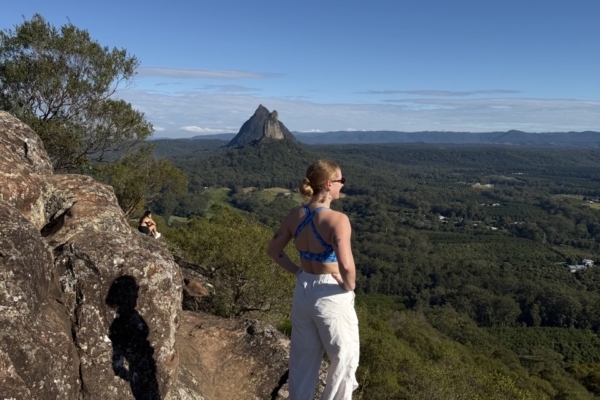
The best hikes on the Australian East Coast between Byron Bay and Rainbow Beach include Twin Falls in Springbrook National Park, Mount Cooroora near Pomona, Mount Barney in the Scenic Rim, Mapleton National Park in the Sunshine Coast hinterland, and...
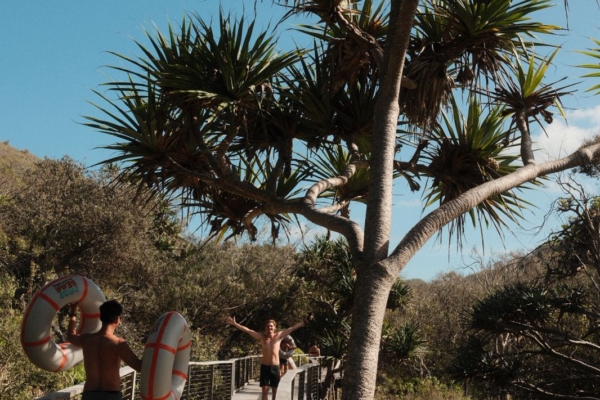
The top things to see on K’gari are tubing down Eli Creek, the Maheno Shipwreck on 75 Mile Beach, the crystal clear waters of Lake McKenzie, and sunset at Lake Wabby, the deepest lake on the island. Together they cover...